Vinyl Siding Guide for Central Illinois & St. Louis
A complete homeowner’s guide to maintaining, cleaning, repairing, and replacing vinyl siding—tailored specifically for Midwest weather conditions in Central Illinois and the St. Louis area.
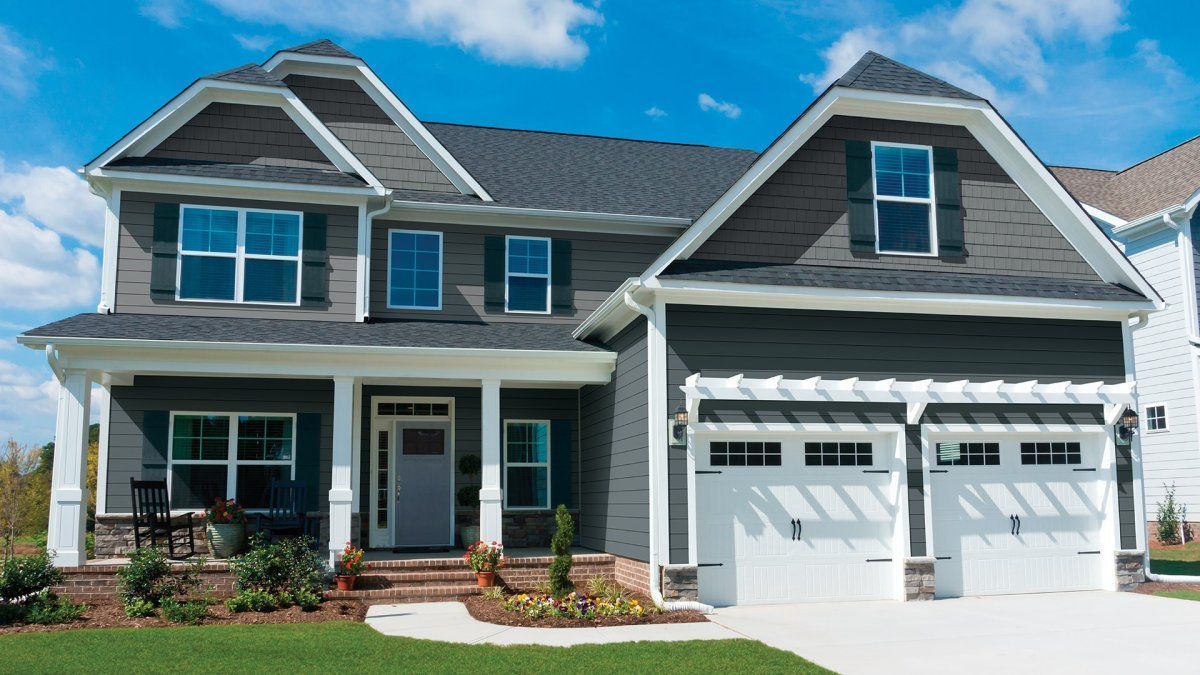
Vinyl siding remains one of the most popular exterior cladding options for homes throughout Central Illinois and the greater St. Louis area. Its affordability, durability, and relatively low maintenance requirements make it an attractive choice for homeowners. However, not all vinyl siding is created equal, and many homes in this region still have outdated systems that no longer perform the way they should.
Between harsh winters, humid summers, and frequent storms, siding in the Midwest takes a beating year-round. Understanding how to properly maintain, clean, and replace your siding—and knowing when it’s time to upgrade—can save you thousands of dollars in long-term repairs and energy costs.
This guide will walk you through everything you need to know.
WHY VINYL SIDING IS SO COMMON IN THE MIDWEST
Homes in Central Illinois and the St. Louis region experience wide temperature swings, often ranging from below freezing in the winter to over 90°F in the summer. These fluctuations cause materials to expand and contract repeatedly.
Vinyl siding performs well in these conditions because it:
• Resists moisture better than wood
• Does not rot or attract pests
• Requires minimal ongoing maintenance
• Offers cost-effective installation compared to other materials
However, older vinyl siding—especially products installed 15–25 years ago—was not designed with the same durability or insulation capabilities as modern systems.
WHAT IS CONSIDERED OUTDATED VINYL SIDING?
Outdated vinyl siding is more common than most homeowners realize, particularly in neighborhoods built before the early 2000s.
Common signs include:
• Thin, hollow panels with little rigidity
• Noticeable fading or chalking from UV exposure
• Warping or buckling from temperature changes
• Loose or rattling panels during wind events
• Poor insulation performance leading to drafts
Older siding lacks integrated insulation and often does not provide a strong thermal barrier. In Midwest climates, this leads to higher heating and cooling costs.
According to the U.S. Department of Energy, improving your home’s exterior envelope can significantly reduce energy loss.
https://www.energy.gov/energysaver/insulation
HOW TO WASH VINYL SIDING PROPERLY
Cleaning your siding is one of the easiest and most effective ways to extend its lifespan and maintain curb appeal.
Best practices include:
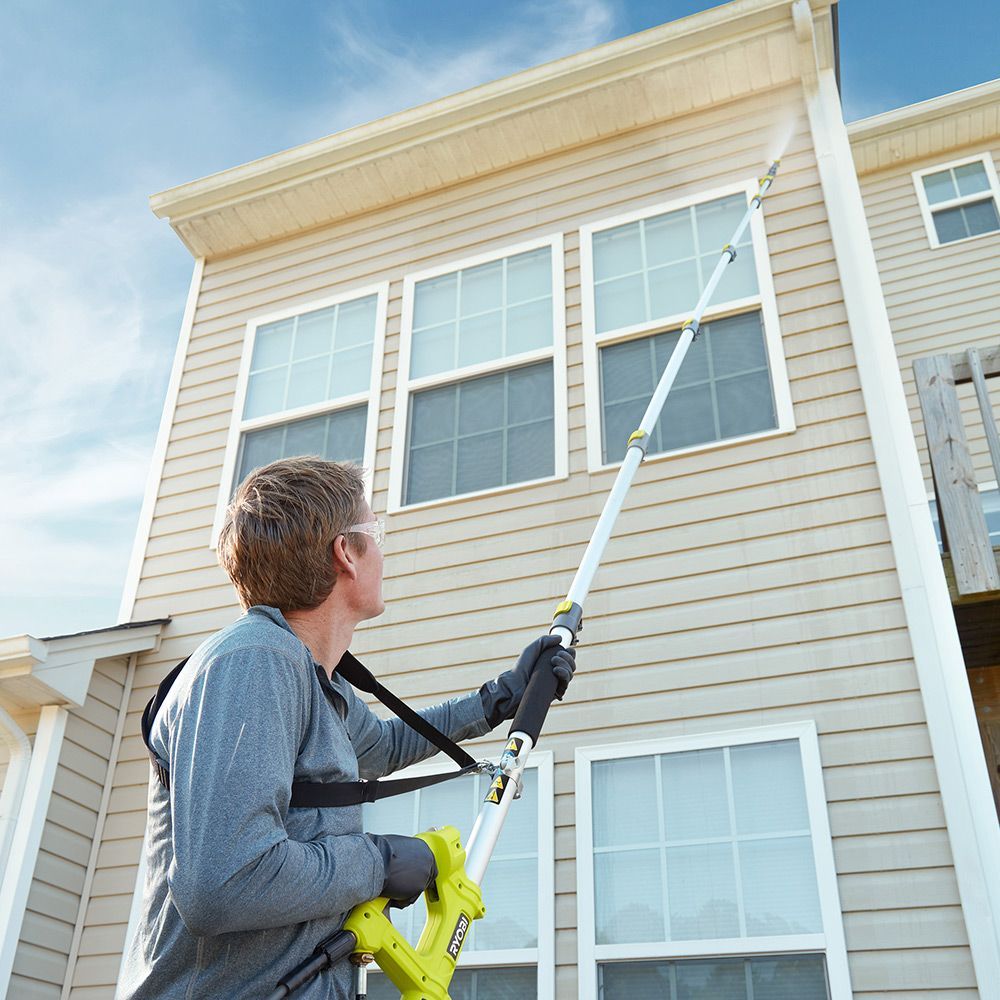
• Use a standard garden hose or low-pressure washer
• Mix mild detergent with water
• Use a soft-bristle brush or cloth for scrubbing
• Clean from bottom to top, then rinse from top to bottom
Avoid:
• High-pressure washing, which can force water behind panels
• Harsh chemicals or strong bleach mixtures
• Abrasive tools that can damage the surface
For tougher stains such as mold or mildew, a diluted vinegar solution can be effective.
Reference:
https://www.vinylsiding.org/maintenance/cleaning/
HOW TO TAKE CARE OF VINYL SIDING YEAR-ROUND
Routine maintenance is simple but critical.
Recommended maintenance routine:
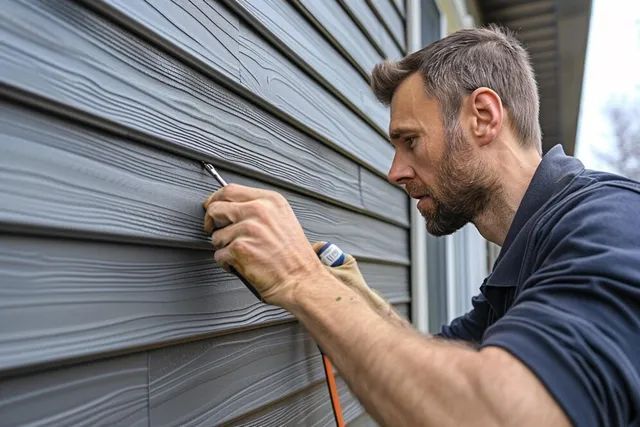
• Inspect siding at least once per year (ideally in spring)
• Check for loose panels after storms
• Keep gutters clean to prevent water overflow
• Trim trees and bushes away from the home
• Ensure proper drainage around the foundation
Midwest-specific tip:
After winter, inspect for cracking or brittleness caused by prolonged cold exposure. Freeze-thaw cycles can weaken older siding materials over time.
SIGNS YOUR VINYL SIDING NEEDS TO BE REPLACED
Not all siding damage can be repaired. In many cases, replacement is the smarter long-term investment.
Key warning signs:
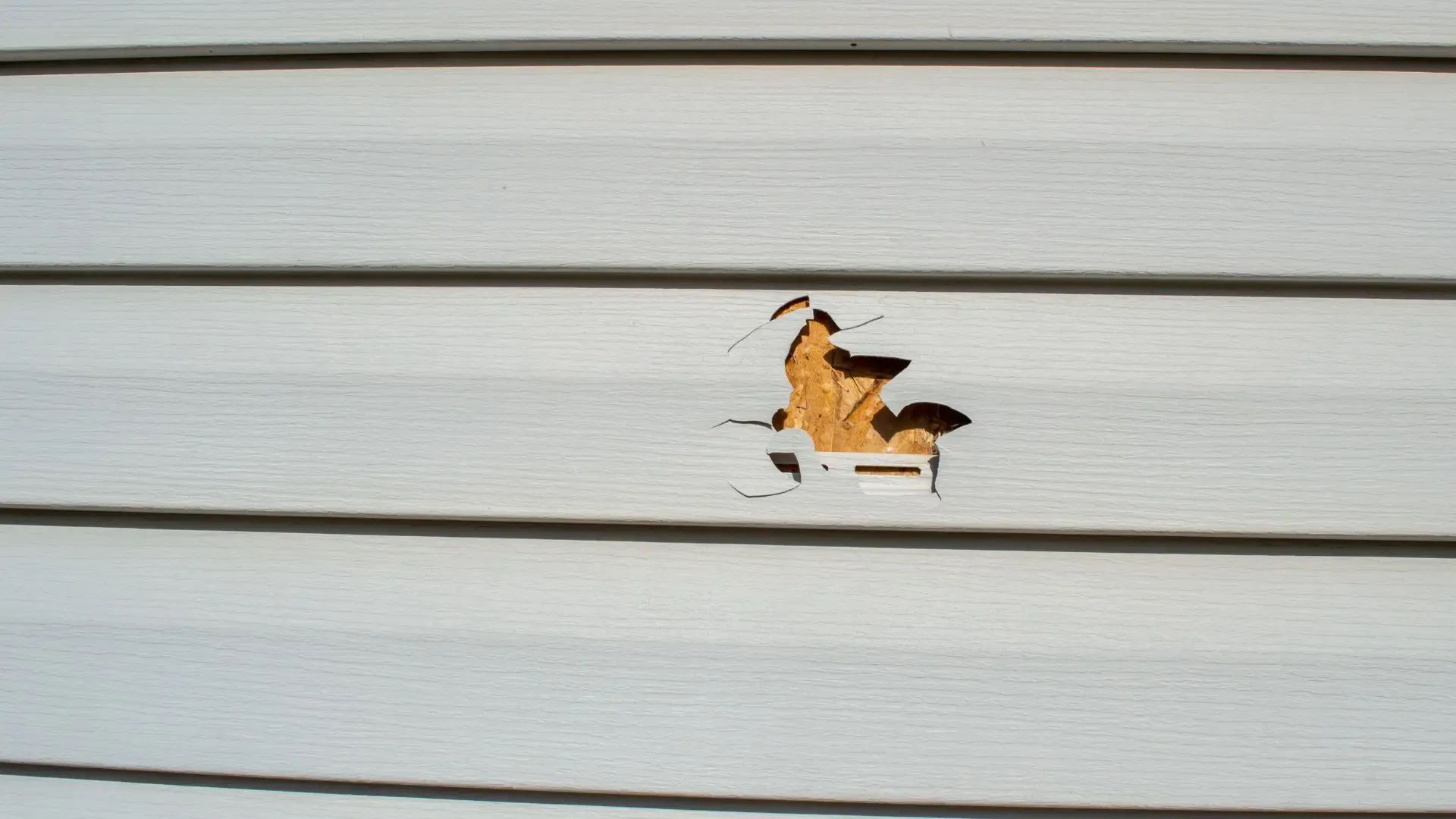
• Cracks, holes, or visible impact damage
• Warping, buckling, or panels pulling away from the home
• Mold, mildew, or moisture behind siding
• Faded color that cannot be restored
• Increased energy bills due to poor insulation
If multiple areas are affected, full replacement is usually more cost-effective than ongoing repairs.
HOW VINYL SIDING IS REPLACED
Understanding the replacement process helps homeowners make informed decisions.
Typical steps include:
1. Removal of existing siding
2. Inspection of wall sheathing and structural components
3. Installation of a weather-resistant barrier
4. Addition of insulation board (if upgrading)
5. Installation of new siding panels
6. Finishing trim, soffit, and fascia work
Proper installation is critical. Incorrect installation can lead to moisture intrusion, poor insulation performance, and premature failure.
WHAT TO CONSIDER WHEN CHOOSING NEW SIDING
When replacing siding, homeowners should consider more than just color.
Important factors include:
Durability:
Thicker, more rigid siding performs better in high winds and temperature swings.
Insulation:
Insulated siding products improve energy efficiency and comfort.
Aesthetic:
Modern profiles such as board and batten offer updated curb appeal.
Maintenance:
Higher-quality siding requires less long-term upkeep.
SYSTEM vs PRODUCT:
It’s important to choose a full siding system—not just panels.
MODERN VINYL SIDING OPTIONS
Today’s vinyl siding systems are significantly more advanced than older products.
Common options include:
Market Square:
Traditional horizontal siding with improved durability and color retention.
CraneBoard:
Insulated siding designed to improve energy efficiency and reduce noise.
Board & Batten:
Vertical siding style offering a modern farmhouse appearance.
Premium Pointe:
A thicker, more durable siding option with enhanced rigidity.
Parkview:
An economical option that still provides a clean, updated look.
These systems are designed to handle Midwest conditions far better than older siding.
Reference:
https://westlakeroyalbuildingproducts.com/exterior-portfolio/
CENTRAL ILLINOIS VS ST. LOUIS: WHY LOCATION MATTERS
While both regions share similar climates, there are subtle differences homeowners should consider.
Central Illinois:
• Slightly colder winters
• More exposure to open wind conditions
• Greater temperature fluctuations
St. Louis Area:
• Higher humidity levels
• More frequent heavy rain events
• Increased risk of mold and mildew
These differences impact siding performance and maintenance needs.
For example:
• Homes in St. Louis may require more frequent cleaning due to humidity
• Homes in Central Illinois may experience more expansion/contraction stress
FINAL THOUGHTS
Vinyl siding is a reliable and cost-effective solution for Midwest homes, but only when it is properly maintained and updated when necessary.
If your siding is outdated or showing signs of damage, upgrading to a modern system can provide:
• Better protection against storms
• Improved energy efficiency
• Increased home value
• Enhanced curb appeal
A professional inspection is the best way to determine your siding’s condition and identify the right solution for your home.
Explore Further