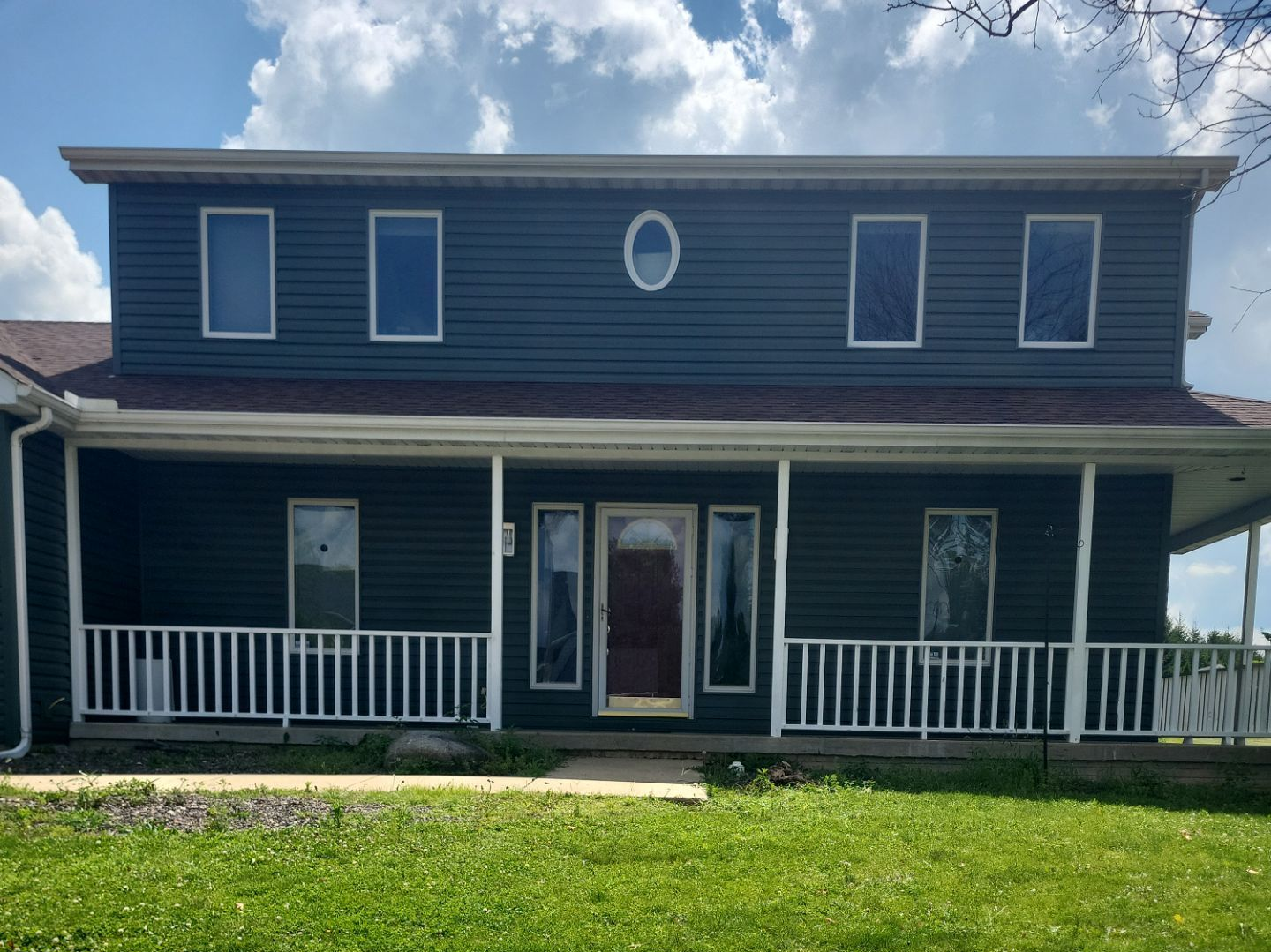
Spring Roofing in Springfield, IL: What Homeowners Need to Know After Winter
A complete guide to identifying roof damage, preparing for storm season, and choosing the right roofing system for Springfield’s unpredictable spring weather.
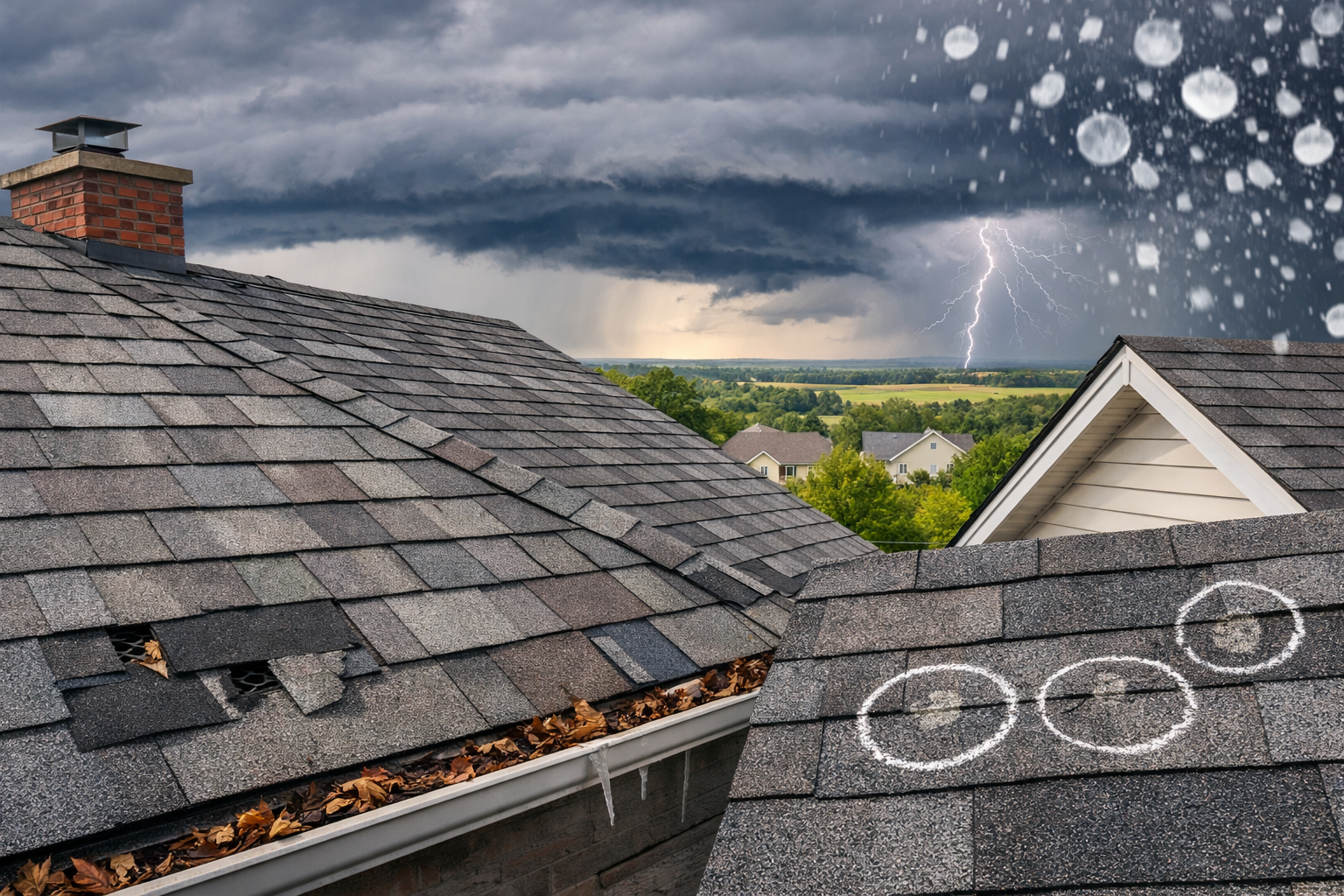
Spring is one of the most important times of year for homeowners in Springfield, Illinois to evaluate the condition of their roof. After months of freezing temperatures, snow accumulation, and strong winds, your roofing system may have sustained damage that isn’t immediately visible from the ground.
At the same time, spring introduces a new risk: severe storms, high winds, and hail, all of which are common throughout Central Illinois. Addressing roofing issues early in the season can prevent small problems from turning into major, costly repairs.
This guide covers everything Springfield homeowners need to know about spring roofing—from inspections and storm preparation to choosing the right materials for long-term protection.
Why Spring Roofing Is Critical in Springfield, IL
Springfield sits in a region that experiences significant seasonal swings, including:
- Freezing winter temperatures
- Heavy snow and ice
- Rapid spring warmups
- Severe thunderstorms and high winds
These conditions create the perfect environment for roofing damage.
Key Risks After Winter:
- Shingle cracking from freeze-thaw cycles
- Ice dam damage causing hidden leaks
- Wind uplift loosening shingles
- Moisture infiltration under roofing materials
According to the National Weather Service, Illinois averages dozens of severe storm events annually, many of which begin ramping up in early spring.
Common Roofing Issues Found in Springfield Homes
1. Shingle Damage
Spring inspections often reveal:
- Missing shingles from winter winds
- Cracked or brittle shingles from cold exposure
- Granule loss reducing protection from UV and water
Even minor shingle damage can compromise the entire roofing system.
2. Ice Dam & Moisture Damage
Springfield homes frequently experience ice buildup along roof edges during winter. As temperatures fluctuate, water can seep under shingles and cause:
- Roof deck rot
- Insulation damage
- Interior ceiling stains
3. Flashing Failures
Flashing around chimneys, vents, and roof valleys is a common failure point.
Look For:
- Rust or corrosion
- Gaps or separation
- Loose materials
4. Storm Pre-Damage (Hidden Vulnerabilities)
Your roof may already be weakened before spring storms even hit. This makes it far more susceptible to:
- Wind damage
- Hail impact
- Water intrusion
Springfield Spring Storm Risks
Springfield is particularly vulnerable to:
- High wind events (50–70+ mph gusts)
- Hailstorms
- Heavy rain systems
These conditions make roofing material selection extremely important.
Choosing the Right Roofing System in Springfield
Not all roofing materials perform the same under Midwest conditions.
IKO Dynasty Shingles (Class 3 Impact Resistance)
Benefits:
- High wind resistance (up to 130 mph)
- Durable architectural design
- Strong performance for standard storm conditions
This is a solid, cost-effective option for homeowners looking for reliability.
IKO Nordic Shingles (Class 4 Impact Resistance)
Benefits:
- Highest impact resistance rating (Class 4)
- Designed to withstand hail damage
- Polymer-modified asphalt for flexibility
Why This Matters in Springfield:
Hail damage is one of the leading causes of roof replacements in Illinois. Upgrading to a Class 4 shingle can:
- Reduce damage risk
- Potentially lower insurance premiums
- Extend roof lifespan
Full Roofing System Matters (Not Just Shingles)
Many homeowners make the mistake of focusing only on shingles.
A complete roofing system includes:
- Underlayment
- Ice & water barrier
- Starter shingles
- Ridge ventilation
- Proper flashing
Using a full system ensures:
- Better performance
- Longer lifespan
- Stronger warranty coverage
Spring Roofing Inspection Checklist for Springfield Homeowners
Exterior:
- Missing or damaged shingles
- Sagging roof lines
- Debris buildup
Interior:
- Ceiling stains
- Attic moisture
- Mold or mildew
Gutters:
- Granule accumulation
- Improper drainage
When to Schedule a Roof Inspection
You should schedule a professional inspection if:
- Your roof is 10+ years old
- You experienced strong winter storms
- You notice any visible damage
- Your neighbors are getting roof work done
Final Thoughts for Springfield Homeowners
Spring is the most strategic time to address roofing issues in Springfield. Acting early allows you to:
- Avoid peak-season delays
- Prevent further damage
- Prepare for severe weather
Investing in a high-quality roofing system—especially impact-resistant materials—can significantly improve your home’s protection and long-term value.
Explore Further