Best Bathroom Layout Ideas for Small, Medium, and Large Spaces
When you start thinking about a bathroom remodel, layout is everything. You can have the nicest tile or the most stylish fixtures, but if the layout does not work, the space will not feel right day to day.
The good news is that there is no one-size-fits-all solution. The best bathroom layout ideas are the ones that match your space, your routine, and how your household actually uses the room.
Whether you are working with a tight powder room or a spacious primary suite, here is a practical guide to help you make smart layout decisions that feel good now and still work years down the road.
Bathroom Layout Ideas for Small Spaces
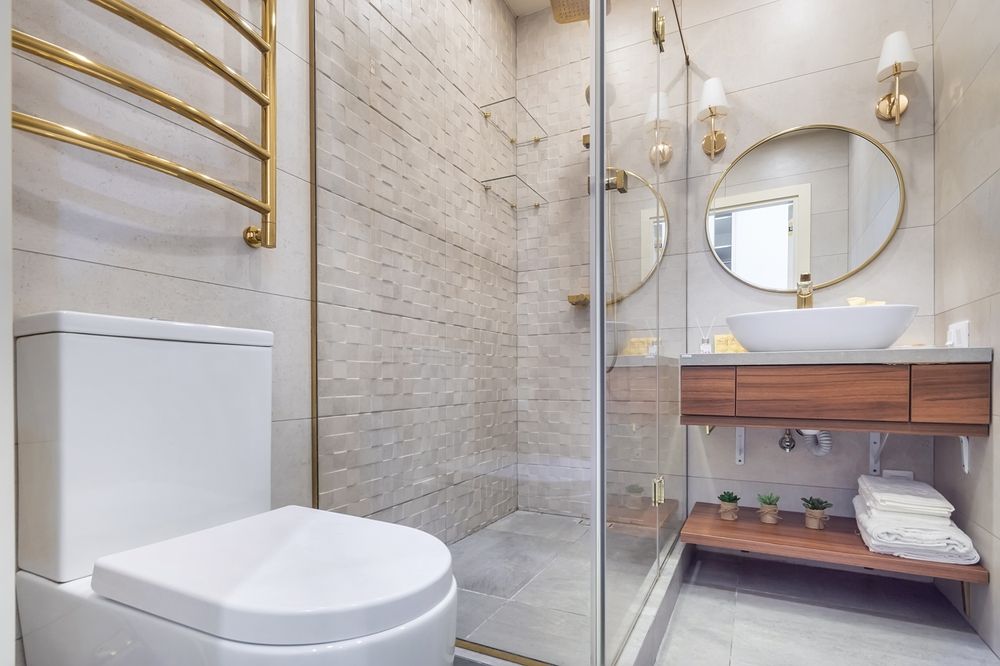
Small bathrooms can be challenging, but they are also where smart design makes the biggest impact. With the right layout, even a compact space can feel open, functional, and comfortable.
1. Keep It Simple with a Three-Fixture Layout
In most small bathrooms, you are working with three main elements:
- Toilet
- Sink or vanity
- Shower or tub
The goal is to arrange these in a way that keeps the room easy to move through. A common and effective bathroom floor plan idea is lining fixtures along one wall or placing the sink directly across from the toilet with the shower at the end.
2. Go Vertical Where You Can
When square footage is limited, think up, not out. Wall-mounted vanities, recessed shelving, and taller cabinets can free up floor space and make the room feel less crowded.
3. Choose a Walk-In Shower Over a Tub
If the bathroom is not your main bathing space, swapping a tub for a walk-in shower can open things up quite a bit. Frameless glass doors or curbless showers help create a seamless look that makes the room feel larger.
4. Use Corner Fixtures
Corner sinks or corner showers can make a big difference in tight layouts. They help avoid awkward traffic flow and give you a little more breathing room where it matters.
5. Pocket Doors Help More Than You Think
Traditional doors take up more space than most people realize. A pocket door or sliding door can give you more flexibility with your layout.
Quick tip: In small bathroom layout ideas, every inch counts. Focus on flow first, then add storage and style.
Bathroom Layout Ideas for Medium-Sized Bathrooms
Medium-sized bathrooms give you more flexibility, which is where bathroom layout designs can really come together. This is often where homeowners can balance function with comfort.
1. Separate the Vanity from the Shower Area
One of the best upgrades in a medium bathroom layout is creating zones. For example:
- Vanity near the entrance
- Toilet off to the side
- Shower or tub at the back
This setup allows more than one person to use the space at the same time without getting in each other’s way.
2. Double Vanities If Space Allows
If your bathroom is shared, a double vanity can make mornings much easier. Even a slightly longer countertop with two sinks can improve your daily routine.
3. Tub and Shower Combos That Work
You do not always have to choose between a tub and a shower. A well-designed combo, especially with a glass panel instead of a curtain, keeps things functional without closing off the space.
4. Add Built-In Storage
Medium bathrooms are a great place to include:
- Linen cabinets
- Built-in shelving
- Shower niches
These features help keep clutter off the counters and make the room feel more organized.
5. Pay Attention to Traffic Flow
A common issue in bathroom floor plan ideas is not thinking about how people move through the space.
Make sure:
- Doors do not swing into fixtures
- There is enough room around the toilet and vanity
- The shower entry is easy to access
Quick tip:
Medium bathroom layout ideas are all about balance. You have room to add comfort, but everything still needs to work together.
Bathroom Layout Ideas for Large Bathrooms
With larger
bathrooms, you have more freedom, but that can also make planning a little overwhelming. The goal is to create a space that feels intentional and easy to use.
1. Create Separate Zones
In a large bathroom, dividing the space into zones makes it more functional. Think:
- Vanity area
- Shower area
- Bathtub area
- Toilet room
This type of layout helps the space feel organized and adds privacy.
2. Make the Shower a Feature
A spacious walk-in
shower with multiple showerheads, a bench, or a larger entry can become a standout part of the room. This is one of the most popular bathroom layout ideas in larger homes.
3. Place the Tub with Purpose
Freestanding
tubs look great, but placement matters. Putting the tub under a window or in its own space helps it feel like a feature instead of something just placed in the room.
4. Add a Private Toilet Area
A separate space for the toilet adds privacy and makes the bathroom more comfortable, especially for shared use.
5. Plan for Storage
Even in large bathrooms, storage still matters. Consider:
- Custom cabinets
- Built-in storage
- Hidden storage options
Quick tip:
Large bathroom layout designs are less about fitting everything in and more about making the space feel calm and easy to use.
How to Choose the Right Bathroom Layout for Your Home
With so many bathroom layout ideas out there, the best choice comes down to how you use the space.
1. Think About Your Daily Routine
Start with the basics:
- Do multiple people use the bathroom at once?
- Do you prefer showers or baths?
- Do you need more storage?
Your layout should support your routine, not make it harder.
2. Consider Who Is Using the Space
A guest bathroom will have different needs than a primary bathroom. Guest spaces can stay simple, while primary bathrooms often benefit from added features like double vanities or larger showers.
3. Work with Existing Plumbing When Possible
Moving plumbing can increase costs quickly. Many bathroom layout designs can be adjusted to work with what is already in place.
4. Plan for the Future
Think a few years ahead. Features like walk-in showers or wider spacing can make your bathroom easier to use over time.
5. Focus on What Matters Most
Not every upgrade needs to happen all at once. Start with layout, then function, then finishes.
Common Bathroom Layout Mistakes to Avoid
Even well-planned bathrooms can run into issues if certain details are overlooked.
1. Not Enough Space Around Fixtures
Tight spacing is one of the most common problems, especially in smaller bathrooms. Make sure there is enough room to comfortably use each area.
2. Overlooking Door Placement
Doors can affect your layout more than expected. Always think about how they open and what space they take up.
3. Trying to Fit Too Much In
It is tempting to include everything, but too much can make the space feel crowded. It is better to keep things simple and functional.
4. Not Planning Storage Early
Storage should be part of the layout from the start, not something added later.
5. Choosing Looks Over Function
A bathroom can look great and still be frustrating to use. Make sure the layout works for real life.
Bringing It All Together
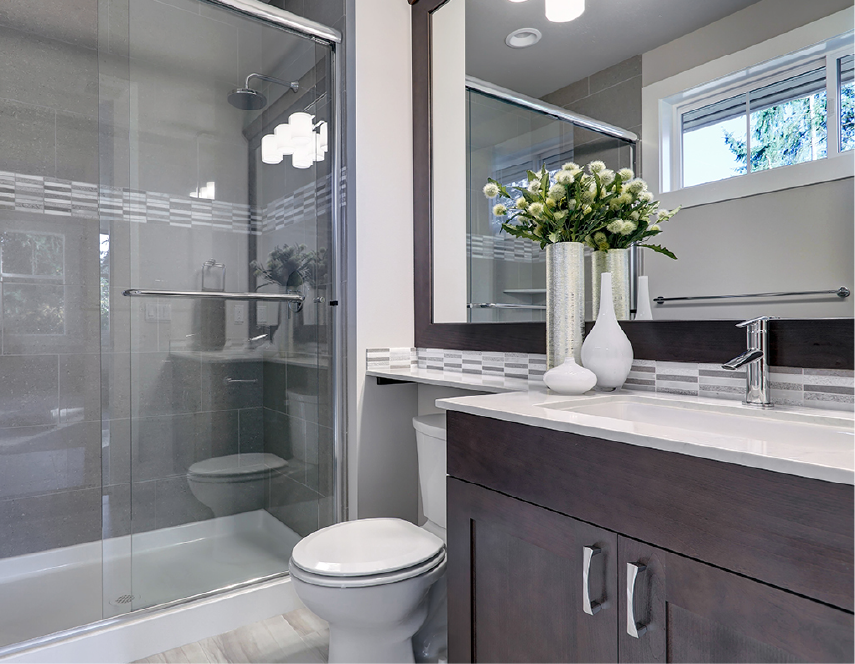
The best bathroom layout ideas are not about copying something you saw online. They are about creating a space that fits your home and your routine.
Small bathrooms benefit from simple, space-saving layouts. Medium bathrooms give you room to balance comfort and function. Large bathrooms allow for more customization and flexibility.
No matter the size, a well-thought-out layout is what makes a bathroom feel comfortable, easy to use, and built for your everyday life.
If you are starting to plan a remodel and are not sure where to begin, that is completely normal. Getting the layout right from the start can save you time, money, and a lot of frustration later on.
Explore Further