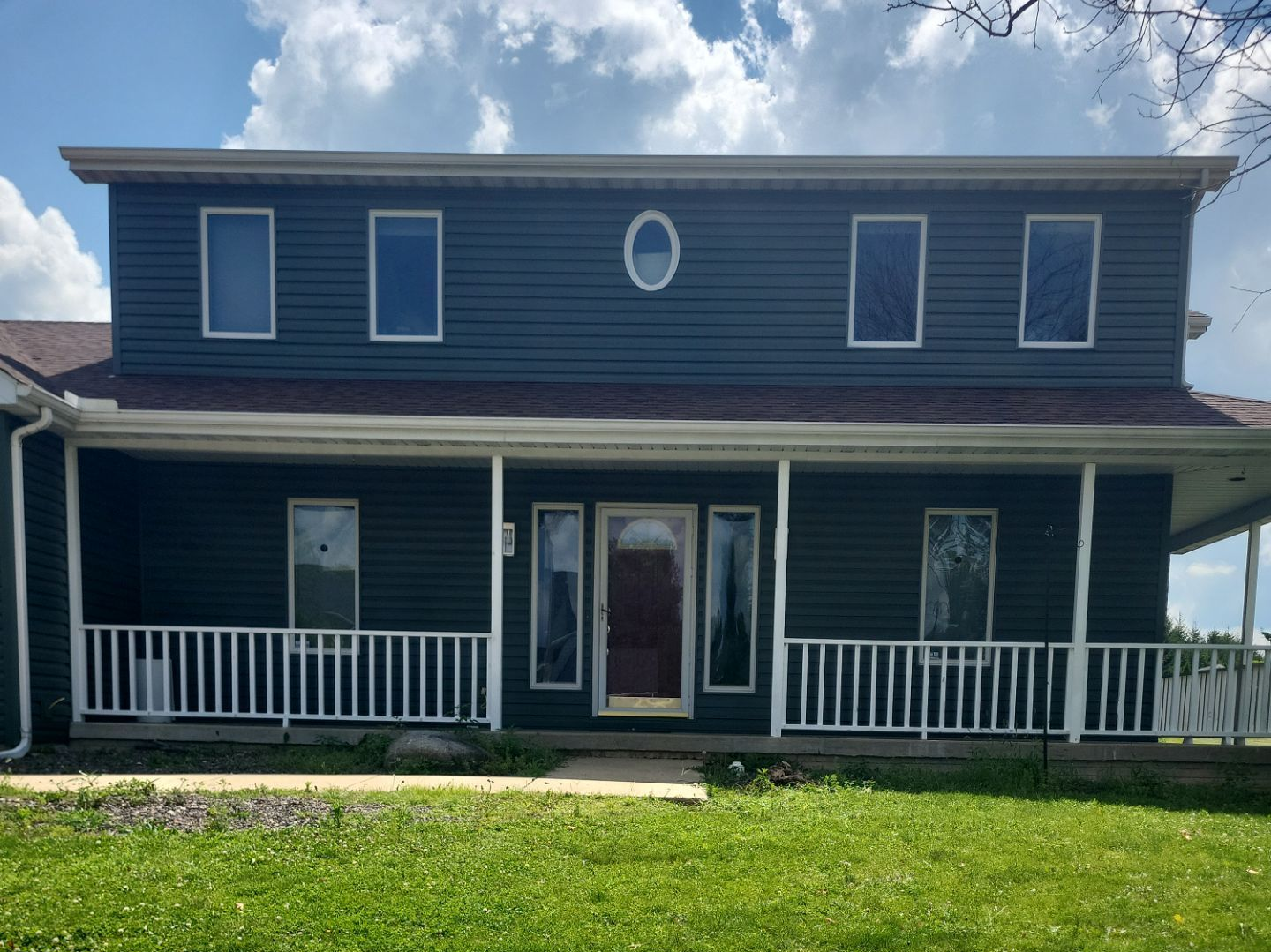
Read This Before Buying New Windows for Your Home
Some Expert Advice from your Local Home Improvement Team at Perfect Choice Home Solutions
A lot of homeowners think buying windows should be simple. You look at samples, pick a color, compare prices, and choose the company that seems like the best deal.
I understand why people think that way. From the outside, most replacement windows look pretty similar. But once you get into how a window is built, what materials are used, how the glass performs, how it seals, and how it is installed, there can be a major difference.
That difference matters even more here in the Midwest. Whether your home is in Central Illinois, like Peoria, Bloomington, or Springfield, or a little farther southwest in Missouri, like St. Charles, Wentzville, or Chesterfield, you deal with cold winters, hot summers, high humidity, wind, rain, and temperature swings that can be rough on lower-quality windows.
At Perfect Choice Home Solutions, we look at windows as a full system. The frame, glass package, spacer system, weatherstripping, balance system, capping, installation, and warranty all matter. If you are thinking about replacing your windows, this is the kind of information you should know before you make that investment.
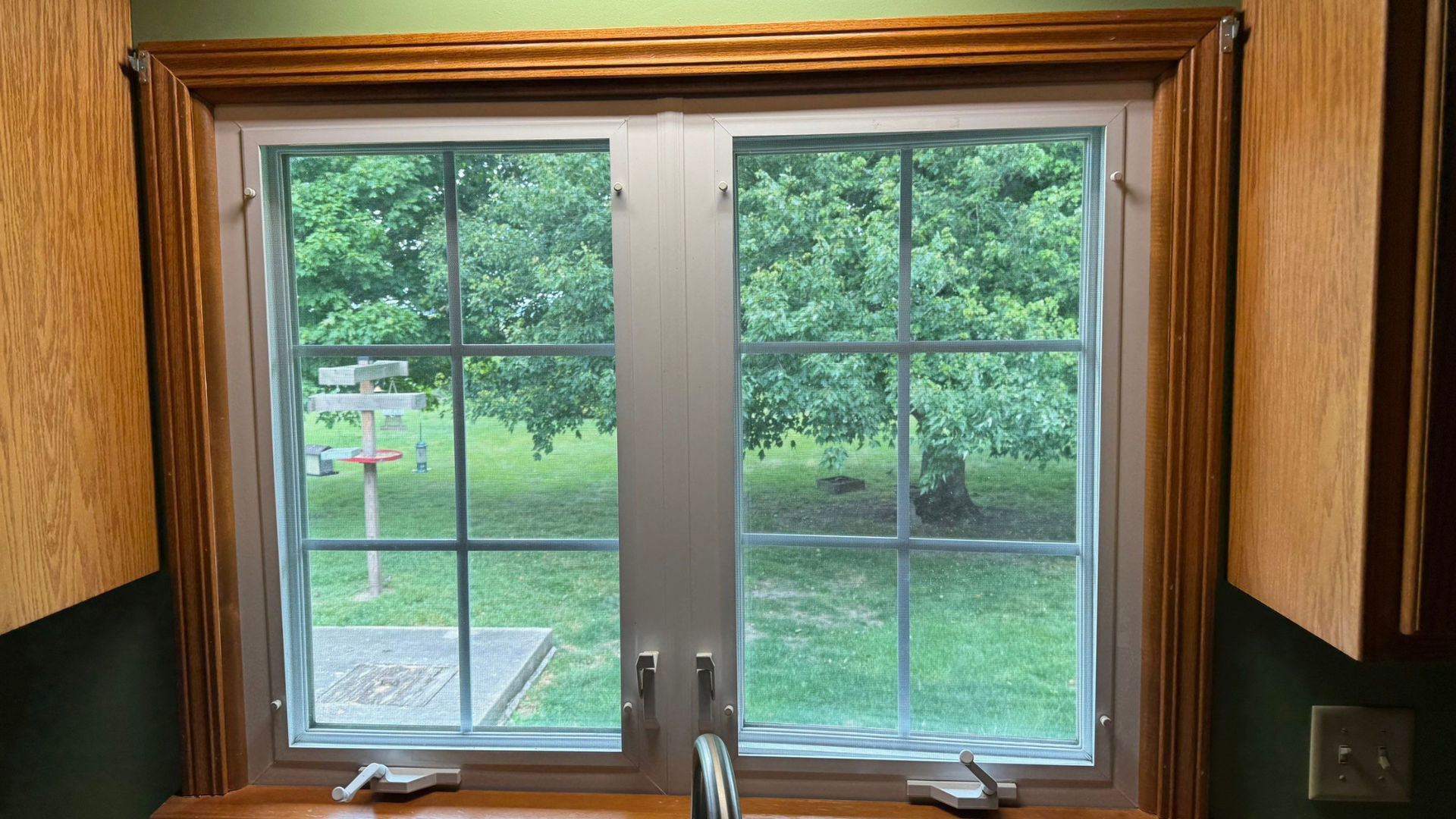
Most Windows Look Similar, But They Are Not Built the Same
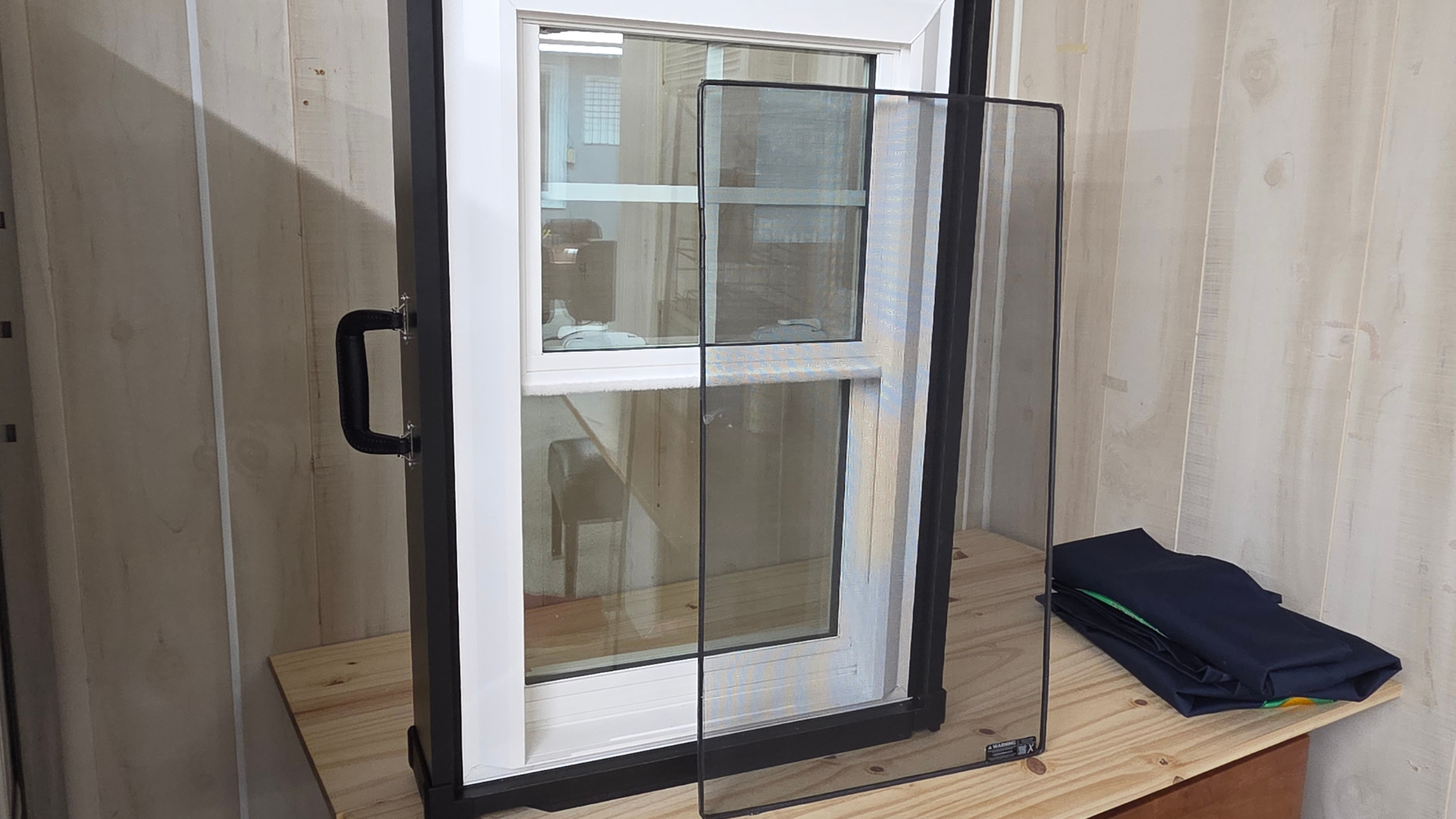
A replacement window is more than glass inside a frame. A quality window includes the frame, sash, insulated glass unit, spacer system, locks, balance system, weatherstripping, screens, trim, exterior capping, insulation around the opening, and installation sealants.
That is why two white vinyl double-hung windows can look almost identical but perform very differently. One may have better glass, stronger construction, tighter seals, smoother operation, stronger reinforcement, and a better warranty. The other may simply be cheaper.
Homeowners should not shop by price alone. You need to know what is inside the window, how it is built, and who is installing it.
Why We Use Virgin Vinyl Replacement Windows
For most homeowners, vinyl replacement windows are one of the best values on the market. Vinyl is low-maintenance, does not need to be painted or stained, resists moisture, and provides good thermal performance compared to metal-framed windows. The Department of Energy explains in its guide to window types and technologies that metal frames conduct heat quickly, while vinyl, wood, fiberglass, and some composite frames generally provide better thermal resistance.
At Perfect Choice Home Solutions, we use virgin vinyl replacement windows. Virgin vinyl means the vinyl is made from first-use PVC material instead of relying heavily on reprocessed material. That helps with consistency, strength, color, and durability.
Wood can look beautiful, but it requires more upkeep. Aluminum is strong, but it conducts heat and cold more easily unless it has a true thermal break. Fiberglass and composite windows can perform well, but they often cost more. For many Midwest homeowners, well-built virgin vinyl gives the best balance of performance, durability, appearance, and value.

Window Ratings Homeowners Should Know
There are a few ratings worth understanding before buying windows.
U-Factor measures how well a window resists non-solar heat loss. Lower is better. Solar Heat Gain Coefficient, or SHGC, measures how much solar heat passes through the window. Air leakage measures how much air passes through the window assembly under test conditions. Visible transmittance measures how much natural light comes through the glass.
The important part is that these ratings are not just about the glass. The Department of Energy’s page on energy performance ratings for windows, doors, and skylights explains that NFRC U-Factor ratings represent the whole window, including the frame and spacer material.
ENERGY STAR also explains that residential windows, doors, and skylights must meet U-Factor and SHGC requirements based on climate zone, which is one reason Midwest homeowners need the right package for this region.
What Low-E Glass Actually Does
Low-E stands for low emissivity. In normal terms, Low-E glass helps control radiant heat transfer through the glass.
A true Low-E coating is a microscopically thin, mostly transparent coating applied to the glass. In winter, the right Low-E package can help reflect indoor heat back into the home. In summer, it can help reduce unwanted heat gain from the sun. The Department of Energy notes that Low-E coatings can help control heat transfer in insulated glazing and reduce energy loss compared with regular windows in its guide to window types and technologies.
Low-E glass can also help reduce fading caused by ultraviolet light on furniture, flooring, curtains, and other interior surfaces. It is not the only thing that makes a window efficient, but it is one of the biggest differences between older basic glass and a modern replacement package.

How Sputtered Metal Coatings Are Used in Low-E Glass
Many high-performance Low-E coatings are made through magnetron sputter vacuum deposition, often shortened to MSVD. In that process, microscopic layers of metal and metal oxides are applied to glass inside a controlled vacuum environment. Vitro Architectural Glass explains this in its article on the science of Low-E coatings.
For homeowners, the technical process matters less than the result: better comfort and better control over heat loss and heat gain.
The Three Types of Heat Transfer
When we talk about window performance, there are three basic types of heat transfer to understand.
Conduction is heat moving through solid materials, like glass, frame, sash, or spacer material. Convection is heat moving through air or gas, including the space between panes of glass. Radiation is heat moving as energy waves, which is where Low-E glass matters.
There is also air infiltration, which is not one of the classic three types of heat transfer, but it is a major reason old windows feel drafty. A good glass package will not perform the way it should if the window is poorly measured, insulated, or sealed.
Super Spacer, Mylar Vapor Barrier, and the Edge of the Glass
The spacer system separates the panes of glass inside the insulated glass unit. Homeowners may not think about it, but it makes a difference.
Older or lower-quality windows may use metal spacers that conduct heat and cold more easily. Better-performing windows often use warm-edge spacer systems designed to reduce heat transfer at the edge of the glass. The Efficient Windows Collaborative explains in its guide to window spacers that spacer material can affect heat transfer and condensation around the edge of the glass.
The window systems we use include Super Spacer technology. Quanex describes Super Spacer insulating glass spacers as an all-foam warm-edge spacer system designed to create a thermal barrier at the edge of the glass.
The spacer system in the window packages we offer also includes a Mylar vapor barrier film as part of the insulated glass unit’s edge seal system. That Mylar vapor barrier helps protect the sealed glass unit by helping control vapor movement at the edge of the glass. When an insulated glass unit fails, homeowners may notice fogging or moisture between the panes. A better spacer and seal system helps protect the glass unit over time.
Double-Pane vs. Triple-Pane Windows
At Perfect Choice Home Solutions, homeowners have options. We offer both double-pane and triple-pane window packages depending on what the homeowner wants and what makes sense for the home.
A double-pane window has two panes of glass with an insulated space between them. With the right Low-E coating, spacer system, and gas fill, a double-pane window can be a strong option for many homes.
A triple-pane window adds a third layer of glass, creating two insulated spaces instead of one. Triple-pane windows can improve thermal performance, comfort near the glass, and noise reduction, especially in rooms that get very cold, very hot, or face a lot of outside noise.
Triple-pane is not automatically the right answer. It usually costs more, and the value depends on the home, budget, goals, window orientation, and performance package.

Frame and Sash Construction Details That Matter
The frame and sash are the backbone of the window. The frame sits in the opening. The sash is the operable part that holds the glass.
A better vinyl window often uses multi-chambered extrusions, sometimes called multi-cavity construction. Internal chambers help with strength and thermal performance.
Many of the windows we install include foam-filled frames and sashes for added thermal performance. Some homeowners may choose to keep that option in or remove it depending on their package. Foam filling can help reduce heat transfer through the frame and sash cavities.
We also look at reinforcement where it matters. Some windows use steel reinforcement in key areas to improve strength, rigidity, and long-term operation. A sloped sill helps direct water away from the window and home.
Weatherstripping, Bulb Seals, and Draft Protection
One of the most common reasons homeowners replace windows is drafts.
Drafts can come from old glass, loose sashes, failing seals, worn weatherstripping, poor locks, bad installation, or gaps around the window opening. A good replacement window should address air infiltration in more than one way.
Better windows use multiple sealing points, interlocking meeting rails, and bulb-style seals to help reduce air movement. A closed-cell bulb seal can compress when the window is locked, helping create a tighter barrier against cold drafts, air leakage, dust, and pollen.
Locks are part of this too. A lock is not just there for security. When a window lock pulls the sash tightly into place, it also helps the sash compress against the weatherstripping.
Hardware, Night Locks, Tilt Locks, and Balance Systems
Window hardware is easy to overlook during the sales process, but homeowners notice it every time they use the window.
Night locks, sometimes called safety tabs, allow limited ventilation while helping prevent the sash from being opened fully. They are not a complete home security system, but they are useful.
Tilt-in sashes are another major convenience feature, especially on double-hung windows. They allow the sash to tilt inward so the homeowner can clean the exterior glass from inside the home.
The balance system supports the sash when you open and close the window. Depending on the window style and product line, a double-hung window may use a block and tackle balance system or a constant force balance system. A block and tackle balance uses cords, pulleys, and springs. A constant force balance uses a coil spring system. Both are designed to make the sash easier to operate.
Screen Options, Including FlexScreen
Screens are not usually the main reason someone buys new windows, but they still matter.
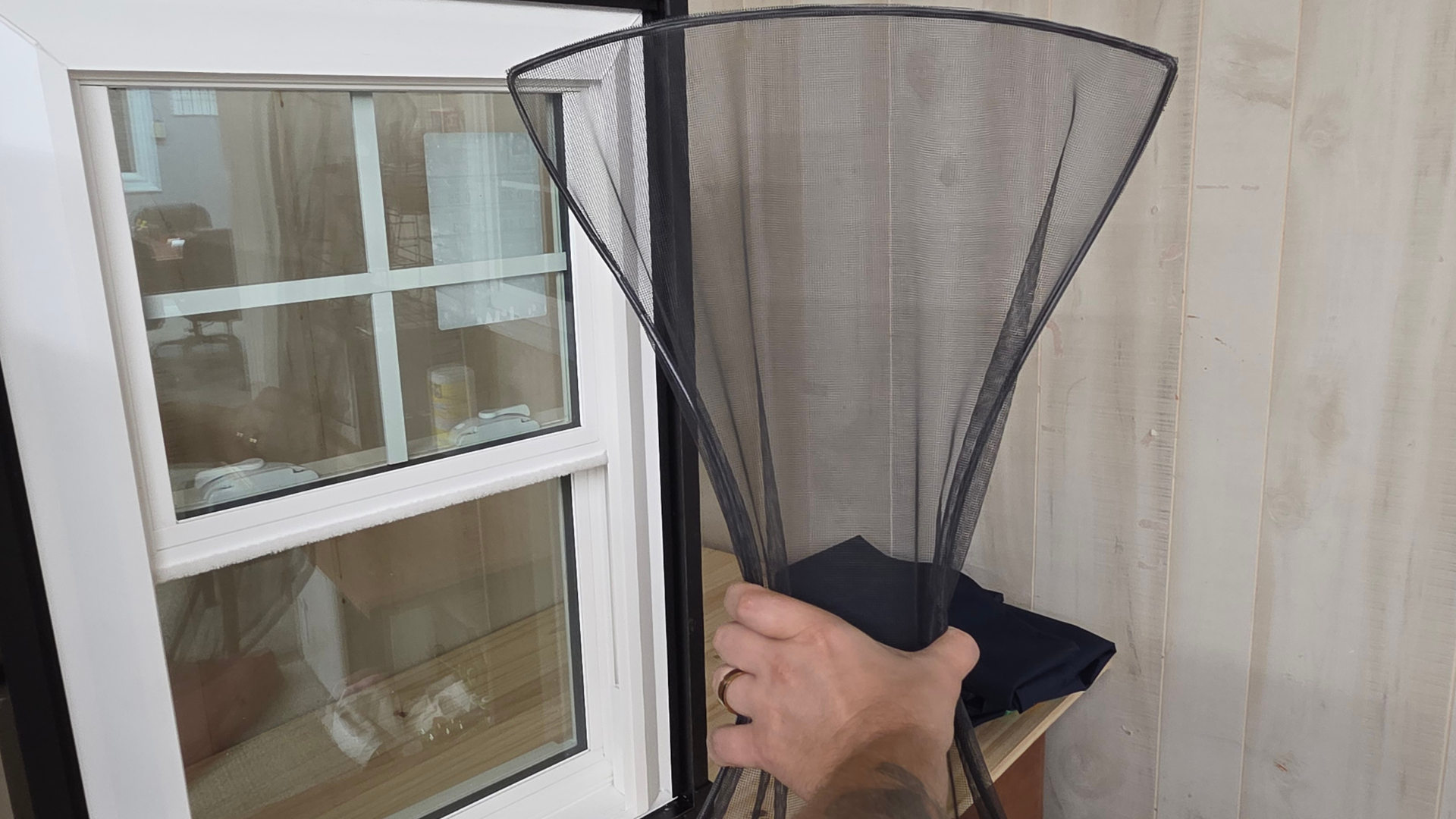
At Perfect Choice Home Solutions, homeowners have screen options, including standard mesh, BetterVue mesh, and FlexScreen options. Our window replacement page also lists options like internal grids, hardware upgrades, specialty glass, tint options, color choices, and multiple window styles.
FlexScreen is popular because it has a cleaner look and is easier to work with than some traditional screen frames. The right choice depends on the window style and how the homeowner uses the room.
Trim, Capping, Mullions, and Cladding
There are a few window terms homeowners hear during a consultation.
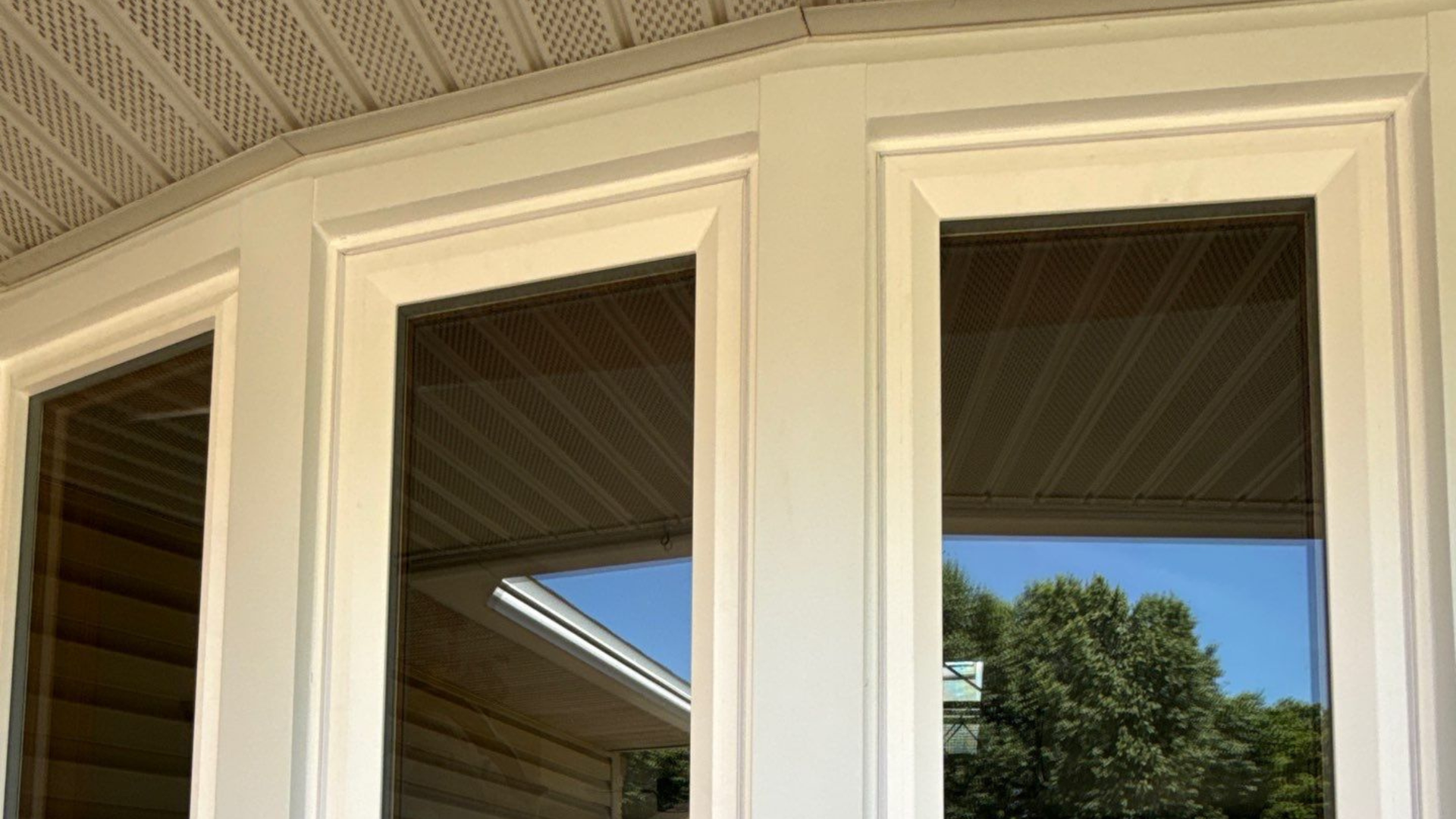
Trim usually refers to the interior finish pieces around the window. Capping usually refers to exterior aluminum trim wrap installed around the outside of the window. At Perfect Choice Home Solutions, exterior capping is included with our installation. Good capping helps protect exposed exterior wood and gives the window a clean, finished appearance.
Mullions are the structural or visual dividers between multiple window units. When two or more windows are joined together, that is often called mulling. Cladding can mean a factory-applied protective exterior material on some windows. Homeowners sometimes confuse cladding with exterior capping, but they are not always the same thing.
A good window can still look bad if the capping is sloppy, and it can perform poorly if the exterior seal is not handled correctly.
What Window Warranties Really Cover
Window warranties can sound simple, but they are usually more detailed than homeowners realize.
A company may say “lifetime warranty,” but homeowners should understand what that actually means. Does it cover the vinyl, glass, seal, moving parts, screen, or glass breakage? Is it transferable? Are there exclusions? Does it require registration?
At Perfect Choice Home Solutions, our window product includes a lifetime limited transferable warranty with coverage for important parts of the window system, including the window unit, insulated glass, moving parts, and glass breakage under the terms of the warranty. There is also screen coverage, but like any real warranty, details, exclusions, and proper procedures matter.
As with any warranty, homeowners should review the written warranty for full terms, exclusions, transfer rules, and service procedures.
That is the honest way to talk about warranties. Homeowners should never assume every single thing is covered forever under every condition. The product matters, the installation matters, and so does having a company that explains the warranty clearly instead of just using the word “lifetime” as a sales line.
Big Box Store Windows vs. Professional Window Installation
There are times when a big box store window may make sense. For a shed, garage, rental property, or small DIY project, a lower-cost retail window may be enough.
But whole-home replacement windows are different. With big box store windows, the product may be a lower-tier line. Sizes and options may be more limited. Installation quality can vary. Measuring mistakes can become a major problem. Exterior capping may not be included or done to the same standard. Warranty responsibility can also become confusing.
Professional installation matters because a replacement window has to fit the opening correctly, be insulated properly, be capped correctly, and be sealed against water and air infiltration. The Department of Energy says in its guide to updating or replacing windows that even the most energy-efficient window must be properly installed for energy efficiency and comfort.
At Perfect Choice Home Solutions, our job is not just to sell a window. It is to help the homeowner choose the right window, measure it correctly, install it properly, cap it cleanly, seal it correctly, and stand behind the project after installation. That experience matters, especially when your project is handled by a team with more than 40 years of real window and jobsite experience involved.
Final Checklist Before Buying New Windows
Before you buy new windows, ask better questions.
Ask what the window is made from. Ask if it is virgin vinyl. Ask what Low-E package is included. Ask if the window is double-pane or triple-pane. Ask what spacer system is used. Ask whether the frames and sashes are foam-filled. Ask what weatherstripping and seals the window uses. Ask what balance system is in the window. Ask what screen options are available. Ask if exterior capping is included. Ask what the warranty covers. Ask who is doing the installation and who handles service after the job is done.
Those questions will tell you more than just comparing the bottom-line price.
Whether your home is in Peoria, Bloomington, Springfield, St. Charles, Wentzville, Chesterfield, or another community across Central Illinois or the Greater St. Louis Area, your windows need to be built for Midwest weather and installed by people who understand how homes in this region are put together. Perfect Choice Home Solutions serves homeowners across Central Illinois and the Greater St. Louis region with window replacement options designed for comfort, performance, curb appeal, and long-term value.
Schedule a Free In-Home Consultation
If you are thinking about replacing your windows, do not just compare prices. Compare the window, the glass package, the frame construction, the spacer system, the seals, the screens, the capping, the installation, and the warranty behind it.
Perfect Choice Home Solutions offers a Free In-Home Consultation with one of our Window Specialists. We will look at your current windows, talk through your goals, explain your options, and help you choose the best window package for your home.

Explore Further