Walk-In Shower vs. Bathtub: What’s Right for Your Space?

December 16, 2025

Share this Article:

When it comes to remodeling your bathroom, one of the biggest decisions you’ll face is whether to install a walk-in shower or a bathtub. Each has its pros and cons, and the right choice depends on your lifestyle, space, and long-term plans for your home. If you’re asking yourself "shower or tub, which is better?", you’re not alone — it’s one of the most common questions we hear during bathroom remodeling consultations.


At Perfect Choice Home Solutions, we help homeowners across Central Illinois and the Greater St. Louis area make smart remodeling decisions every day. This guide will walk you through everything you need to consider to make the best choice for your home.

Why Your Bathroom Layout and Lifestyle Matter

Before diving into the benefits of either option, start with your layout and how you use the space. Do you have a small guest bath or a large primary suite? Is this a family bathroom or one mainly used by adults? Are there mobility concerns now or potentially in the future?


In smaller bathrooms, a walk-in shower can help open up the space visually and physically. In homes with children or people who enjoy long soaks, a bathtub may be more practical. Your daily habits, household needs, and long-term goals should shape your choice.

Benefits of Installing a Walk-In Shower

Walk-in showers are growing in popularity, and for good reason. One of the biggest walk-in shower benefits is the sense of space and openness they bring to a bathroom. Without bulky tub walls, the room feels bigger and more modern. Glass doors or zero-threshold entries can create a sleek, spa-like atmosphere.


Walk-in showers also win on accessibility. They’re easier to enter and exit — especially for aging homeowners or anyone with mobility limitations — and they pair well with grab bars, built-in benches, and handheld showerheads.


Other benefits include:


  • Faster and easier to clean
  • Modern design with high visual impact
  • Can be customized with tile, niches, lighting, and glass
  • Often more water-efficient than baths


If you’re planning a tub-to-shower conversion, it’s a great way to modernize your bathroom while making it more functional for daily use.

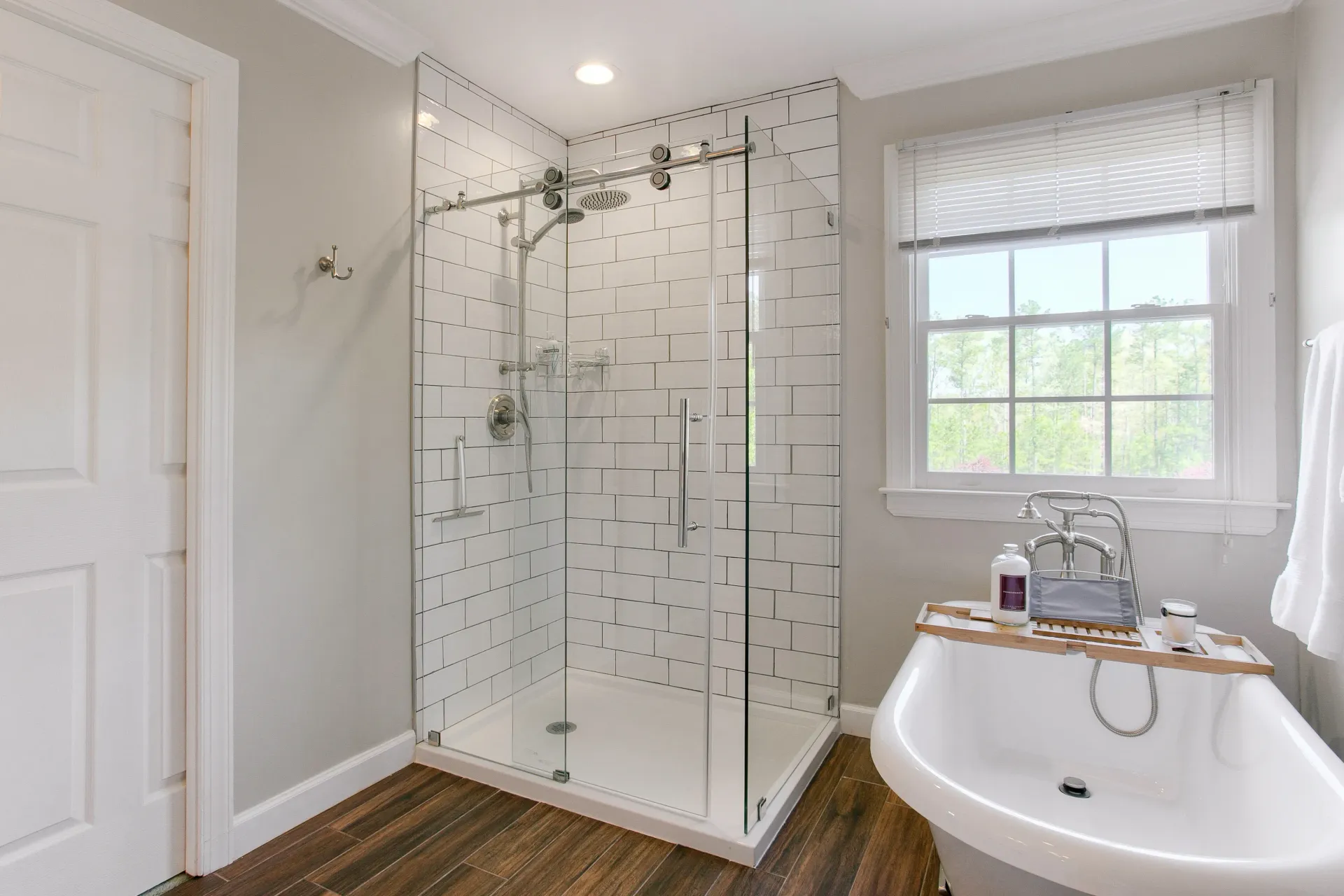
Modern bathroom with a glass shower, a rectangular tub, and a window.

Benefits of Installing or Keeping a Bathtub

While walk-in showers offer many advantages, bathtub benefits shouldn’t be overlooked. A tub still plays a critical role in family homes, especially for households with young children. There’s no easier way to bathe a toddler than in a traditional tub.


Beyond practicality, bathtubs offer the comfort of relaxation. For many homeowners, nothing beats a hot bath at the end of a long day. Freestanding tubs can also be a strong design feature, especially in larger primary baths.


Key reasons to choose or keep a bathtub:


  • Ideal for families with small children
  • Adds resale appeal to family buyers
  • Provides a relaxing soak option
  • Variety of styles from alcove to freestanding tubs
  • Can be more affordable to install in some cases


In fact, most real estate experts — including professionals like Mike Holmes — suggest that having at least one bathtub in the home is a smart move for resale value.

How Walk-In Showers and Bathtubs Compare for Accessibility

If you’re remodeling with aging in place or mobility in mind, a walk-in shower often comes out ahead. Zero-threshold entries eliminate tripping hazards, and built-in benches make it easier to bathe safely. With the right showerhead and grab bar placements, a walk-in can be incredibly user-friendly.


Bathtubs, on the other hand, can present more challenges. Climbing in and out requires a step over a high threshold, which can increase fall risks for older adults. However, walk-in tubs are an option for those who want the soaking experience with added safety features — though they come at a higher cost.

What to Consider for Home Value and Resale

When thinking long-term, it’s smart to consider how your choice will impact resale. While walk-in showers are popular with many buyers, especially in modern or empty-nester homes, families often prefer homes with at least one tub. If your remodel involves your only full bathroom, removing the tub could limit your future buyer pool.


In master bathrooms or secondary bathrooms where a tub isn't critical, a walk-in shower can be a smart, appealing upgrade. But in a home with just one bathroom, keeping or including a tub is often the better choice from a home value perspective.

Installation and Maintenance Differences

From an installation standpoint, walk-in showers usually involve more tile work, custom glass, and waterproofing. That can make them slightly more expensive, depending on the size and materials. However, showers also tend to be easier to maintain long-term. Without the deeper basin and harder-to-reach edges, cleaning is quicker and simpler.


Bathtubs are often faster to install if you're replacing an old tub with a new one of similar size. They also tend to have fewer joints and corners, which can reduce leaks if properly installed. But cleaning can be more of a chore, especially in homes with hard water or soap buildup.


Drainage, water control, and ventilation are also key considerations for both options — and they need to be done right for long-term durability and mold prevention.
How to Decide What’s Right for Your Space

Ultimately, the best choice comes down to your goals. Are you remodeling to stay long-term or planning to sell in a few years? Do you want a relaxing spa-like retreat or a space that’s practical and family-friendly? Does anyone in your home need enhanced accessibility?


At Perfect Choice Home Solutions, we take the time to walk through all of these questions with you. Our experienced remodeling team will help you evaluate your current bathroom layout, discuss your priorities, and recommend solutions that make the most sense for your space and your lifestyle.


Thinking about a tub-to-shower conversion? Ready for a custom walk-in? Or maybe it's time to update an old bathtub into something more beautiful and practical. Whatever you're considering, we're here to help you make a confident decision. Reach out to Perfect Choice Home Solutions for a free consultation and start planning a bathroom remodel that truly fits your needs.

Connect With Us:

Explore Further

White-walled shower with glass block window, silver fixtures, and a glass-paneled door.
February 23, 2026
Not sure whether a walk-in shower or bathtub is right for your home? Compare space, cost, comfort, and accessibility to make the best choice.
By Cody Emmons February 22, 2026
Understanding Roof Lifespan: How Long Can You Expect Your New Roof to Last? The lifespan of a roof is a critical consideration for homeowners, as it directly impacts the long-term value, safety, and structural integrity of a property. A well-maintained roof not only protects your home from the elements but also contributes significantly to energy efficiency and overall property value. Understanding how long you can expect your new roof to last involves examining various roofing materials, maintenance practices, and environmental factors. This comprehensive article provides authoritative insights into the average lifespan of different roofing materials, key indicators that signal the need for a new roof, and essential maintenance strategies to maximize your roof's durability. Additionally, we will discuss the costs associated with roof replacement, warranty considerations, and regional factors affecting roof performance, ensuring you are fully equipped to make informed decisions about your roofing investment. Considering the long-term investment, it's crucial to understand the broader principles of building durability and life cycle maintenance from the outset. Designing for Building Durability & Life Cycle Maintenance Differential durability is a term used to describe how the useful service life of building components, such as structure, envelope, finishes and services, differs both between components, and within the materials, assemblies and systems comprising the components. A fuller consideration of recurring embodied energy (maintenance, repair, retrofit and replacement) during the design process has the potential to realize significant opportunities for enhancing the life cycle sustainability of modern buildings. Planning for durability and life cycle maintenance of buildings during design, 2015 What Is the Average Roof Lifespan by Material? The lifespan of a roof varies significantly depending on the materials used. Different roofing materials offer distinct durability, longevity, and performance characteristics, which can influence your choice when installing a new roof. Understanding these differences, along with their cost implications and maintenance requirements, can help you make an informed decision that aligns with your budget and long-term goals. Material Lifespan Range Cost Asphalt Shingles 15-30 years $90-$100 per square (100 sq.ft) Metal Roofing 40-70 years $120-$900 per square (100 sq.ft) Clay Tiles 50-100 years $300-$600 per square (100 sq.ft) Slate Roofing 75-200 years $600-$1,500 per square (100 sq.ft) This table illustrates the lifespan and cost of various roofing materials, highlighting the long-term investment associated with each option. It is important to consider not only the upfront cost but also the durability and maintenance needs over time to optimize your roofing investment. How Long Do Asphalt Shingle Roofs Typically Last? Asphalt shingle roofs are among the most common roofing materials due to their affordability, versatility, and ease of installation. Typically, 3-tab asphalt shingles last about 15-20 years, while architectural shingles, which are thicker and more durable, can extend that lifespan to 25-30 years. Factors such as climate, installation quality, and maintenance practices can significantly influence their durability. For example, exposure to intense sunlight, temperature fluctuations, and moisture can accelerate wear. What Are the Lifespan Ranges for Metal Roofing? Metal roofing is renowned for its exceptional longevity, often lasting between 40 to 70 years or more. The lifespan can vary based on the type of metal used, with materials like aluminum, steel, and copper offering superior durability and resistance to environmental stressors. Additionally, proper installation, including corrosion-resistant coatings and adequate ventilation, along with regular maintenance, can further enhance the lifespan of metal roofs, making them a highly cost-effective and sustainable investment for homeowners. What Are the Key Signs You Need a New Roof? Recognizing the signs that indicate a roof replacement is necessary can save homeowners from costly repairs and potential damage to their homes. Being proactive about roof maintenance and replacement can help ensure the safety, energy efficiency, and structural integrity of your property. Curling or Missing Shingles : Shingles that are curling, buckling, or missing can expose the underlying structure to water damage and reduce the roof’s ability to shed water effectively. Water Stains on Ceilings : Interior water stains often indicate leaks that can lead to significant structural issues, mold growth, and compromised insulation if not addressed promptly. Frequent Repairs Needed : If you find yourself frequently repairing your roof, it may be more cost-effective and safer to consider a full replacement. Which Roof Damage Indicators Signal Replacement Is Needed? Specific indicators of roof damage include visible wear and tear, such as cracked, broken, or blistered shingles, and the presence of granules in gutters, which can signify shingle deterioration. Additional signs include sagging roof decks, daylight visible through the roof boards in the attic, and moss or algae growth that can trap moisture. Regular professional inspections can help identify these issues early, allowing for timely intervention and preventing further damage. How Does Roof Age Affect Replacement Timing? The age of your roof plays a crucial role in determining when to replace it. Most roofs have a finite lifespan, and as they age, the likelihood of leaks, structural damage, and energy inefficiency increases. Homeowners should consider replacing their roofs as they approach the end of their expected lifespan, especially if they notice any signs of damage or if the roof has exceeded its warranty period. Timely replacement can prevent costly interior damage and maintain home value. How Can Roof Maintenance Extend Your Roof’s Lifespan? Regular roof maintenance is essential for prolonging the life of your roof and protecting your investment. By implementing a proactive maintenance plan, homeowners can address minor issues before they escalate into major problems, reduce the risk of leaks, and improve energy efficiency. Regular Inspections : Conducting routine inspections, ideally by a qualified roofing professional, can help identify potential issues early, allowing for timely repairs and maintenance. Gutter Maintenance : Keeping gutters clean and free of debris prevents water buildup, which can lead to leaks, ice dams, and damage to roofing structures. Tree Management : Trimming overhanging branches can prevent damage from falling limbs, reduce the accumulation of leaves on the roof, and minimize moss and algae growth. What Are Essential Roof Maintenance Tips for Longevity? To ensure your roof remains in optimal condition, consider the following maintenance tips: Schedule professional inspections at least once a year and after major weather events. Clean gutters and downspouts regularly to prevent clogs and water damage. Remove debris from the roof surface to avoid moisture retention and material degradation. Address minor repairs promptly to prevent escalation. Ensure proper attic ventilation and insulation to reduce heat and moisture buildup. How Often Should You Inspect and Maintain Your Roof? Homeowners should inspect their roofs at least twice a year, ideally in the spring and fall, to prepare for seasonal weather changes. Additionally, after severe weather events such as storms, heavy snowfall, or high winds, it is wise to conduct a thorough inspection to assess any potential damage. Regular maintenance and timely repairs can significantly extend the lifespan of your roof and protect your home. What Is the Cost of Roof Replacement and Warranty Considerations? Understanding the costs associated with roof replacement is crucial for budgeting and planning. The total cost can vary based on the roofing material, labor, roof complexity, and any additional features such as ventilation, insulation, or structural repairs. Factors Affecting Replacement Costs : The type of roofing material, the complexity of the roof design, local labor rates, and the need for repairs or upgrades can all influence the overall cost of replacement. For example, steep roofs or those with multiple penetrations typically cost more to replace. Warranty Options Available : Many roofing materials come with manufacturer warranties that cover defects and premature wear. Additionally, workmanship warranties from contractors can provide protection against installation errors. Understanding the terms, coverage limits, and duration of these warranties is essential to ensure adequate protection and peace of mind. How Do Roof Material and Lifespan Affect Replacement Costs? The choice of roofing material significantly impacts replacement costs. For instance, while asphalt shingles are more affordable upfront, metal and tile roofs may offer better long-term value due to their extended lifespans and lower maintenance requirements. Homeowners should weigh the initial costs against potential long-term savings, durability, and aesthetic preferences when selecting roofing materials. Investing in higher-quality materials can reduce the frequency of replacements and repairs, ultimately saving money over time. What Warranty Options Are Available for Different Roofing Materials? Warranties for roofing materials can vary widely. Most asphalt shingles come with a limited warranty of 20-30 years, while metal roofs may offer warranties of 30-50 years or more. Additionally, some manufacturers provide extended warranties for premium products. Workmanship warranties, typically offered by reputable contractors, cover installation errors and can range from 1 to 10 years. It is important to review warranty details carefully and choose contractors who stand behind their work to ensure the longevity and reliability of your roof. For homeowners considering a new roof, Perfect Choice Home Solutions offers warranty-backed workmanship and materials, ensuring peace of mind with your investment. By choosing a reputable contractor with proven expertise and strong warranty support, you can enhance the durability, performance, and value of your new roof. Roofing Considerations for Central Illinois and the St. Louis Area Homeowners in Central Illinois cities such as Peoria, Springfield, and Bloomington, as well as in the St. Louis metropolitan area including St. Louis and St. Charles, face unique roofing challenges due to the Midwestern climate and environmental conditions. Understanding these regional factors is essential for selecting the right roofing materials and maintenance strategies to ensure optimal performance and longevity. The Midwest experiences a wide range of weather conditions, from hot, humid summers to cold, snowy winters, along with frequent thunderstorms and occasional tornadoes. These conditions can accelerate roof wear and increase the risk of damage if not properly addressed. Temperature Fluctuations: The significant seasonal temperature changes in Peoria, Springfield, Bloomington, St. Louis, and St. Charles cause roofing materials to expand and contract, which can lead to cracking, warping, and premature aging, especially in asphalt shingles. Selecting materials with high thermal stability and flexibility can mitigate these effects. Snow and Ice: Heavy snowfall and ice accumulation during winter months can cause ice dams, leading to water infiltration and damage to roofing structures if not properly managed with adequate insulation, ventilation, and ice guard membranes. Wind and Storm Damage: The region is prone to strong winds and severe storms, which can lift or tear off shingles and damage metal roofing. Proper installation techniques, including secure fastening and the use of impact-resistant materials, are critical in these areas to withstand extreme weather. Humidity and Moisture: High humidity levels in the summer can promote moss, algae, and mold growth on roofs, particularly in shaded areas, which can deteriorate roofing materials over time. Using algae-resistant shingles and maintaining roof cleanliness can help prevent these issues. Given these challenges, homeowners in Central Illinois and the St. Louis area should prioritize durable roofing materials suited for the climate, such as metal or high-quality architectural shingles, and maintain regular inspections and upkeep to address weather-related wear promptly. Consulting with local roofing experts familiar with regional conditions can further optimize roofing performance and lifespan. Frequently Asked Questions What roofing materials are best suited for extreme weather conditions? For regions experiencing extreme weather, such as heavy snow, high winds, or intense heat, metal roofing and high-quality architectural performance shingles are often recommended. Metal roofs are durable, fire-resistant, and can withstand severe weather, while architectural shingles offer enhanced protection against wind, moisture, and impact. Additionally, clay and slate tiles provide excellent durability in certain climates. Homeowners should consider local climate factors, building codes, and insurance requirements when selecting roofing materials to ensure optimal performance and durability. How can I identify potential roof issues before they become serious? Regular inspections are key to identifying potential roof issues early. Homeowners should look for signs such as missing or damaged shingles, granules in gutters, water stains on ceilings, sagging areas, and excessive moss or algae growth. Checking the attic for daylight penetration or moisture can also reveal hidden problems. Conducting inspections at least twice a year, especially after severe weather, and engaging professional roofers for detailed assessments can help catch issues before they escalate into costly repairs or replacements. What is the impact of roof ventilation on lifespan? Proper roof ventilation is crucial for extending the lifespan of roofing materials and maintaining a healthy home environment. It helps regulate temperature and moisture levels in the attic, preventing heat buildup in summer and reducing the risk of ice dams in winter. Adequate ventilation minimizes condensation, mold growth, and deterioration of roofing materials. Homeowners should ensure their roofs have sufficient intake and exhaust vents, such as soffit and ridge vents, to promote continuous airflow and maintain a balanced attic environment. How does roof color affect energy efficiency? The color of your roof can significantly impact energy efficiency and indoor comfort. Lighter-colored roofs reflect more sunlight, helping to keep homes cooler in hot climates, which can reduce air conditioning costs and improve energy savings. Conversely, darker roofs absorb heat, which may be beneficial in colder regions by reducing heating needs. Homeowners should consider their local climate, energy goals, and aesthetic preferences when selecting roof color to optimize energy efficiency and comfort within their homes. What should I consider when hiring a roofing contractor? When hiring a roofing contractor, it's essential to consider their experience, reputation, licensing, and insurance coverage. Look for contractors with positive reviews, verified credentials, and a portfolio of completed projects similar to your roofing needs. Ensure they are licensed and insured to protect yourself from liability. Additionally, inquire about warranties on both materials and workmanship, obtain multiple quotes to compare pricing and services, and request a detailed contract outlining the scope of work, timeline, and payment terms. A reliable contractor will provide clear communication, professional advice, and stand behind their work to ensure your roofing project’s success.
Bathroom with a white bathtub, wooden vanity, round mirror, and woven wall decor.
January 9, 2026
Explore the top bathroom design trends for 2026, including what styles are in, what is out, and how to plan a beautiful remodel with Perfect Choice Home Solutions.
Show More